


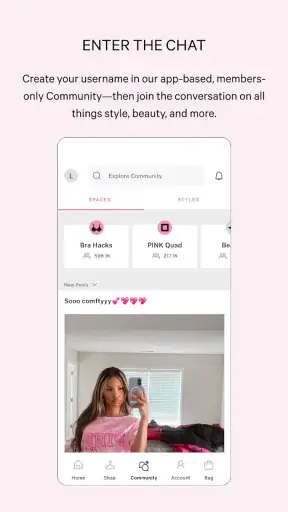
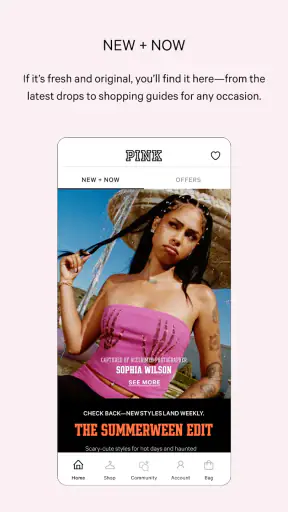
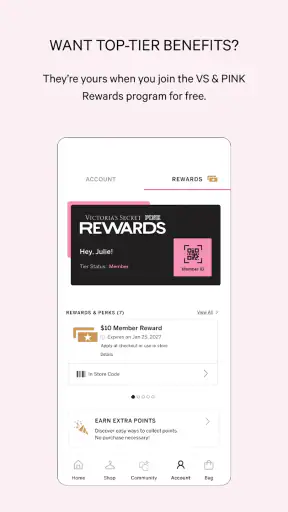
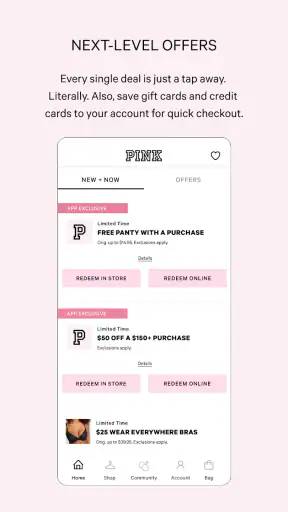
I approached PINK—Clothing, Beauty & More as a shopping tool rather than simply another brand storefront. Its main value is that it brings PINK by Victoria’s Secret’s clothing, intimates, and beauty selection into a focused mobile experience, so I can browse with a particular style and audience in mind instead of sorting through a broad department-store catalog. That focus makes the app feel more purposeful when I already know the kind of products I want.
My overall impression is positive, especially for existing PINK shoppers who prefer checking collections from a phone. The app is free, belongs to the Shopping category, and is maintained by Victoria's Secret Mobile App. It has built a strong reputation, with a 4.8 average from roughly 175 thousand ratings and more than 5 million installs. Those figures do not replace personal experience, but they do suggest that the app has become a regular shopping channel for a substantial audience.
Focused browsing is the capability that matters most
The most important capability here is not merely being able to buy products from a phone. It is the way the app concentrates the shopping journey around PINK’s mix of casual clothing, intimates, and beauty. In practice, that focus reduces the mental work involved in deciding where to start. I am not opening a general marketplace and trying to identify which results belong to the style I want; I am entering an environment already shaped around the PINK range.
That distinction is useful when I am shopping with a clear purpose. If I want to look through lounge-oriented clothing, refresh an everyday wardrobe, or browse beauty items alongside apparel, the app gives those interests a natural home. It is less useful when I want to compare several unrelated brands, search across many price levels, or judge the wider market before buying. For those tasks, a large retailer or a browser search may offer more variety.
I also like that the app can support two different mindsets. I can use it deliberately, searching for a particular type of item, or casually, browsing until a color, style, or product category catches my attention. A dedicated brand app is often at its best in that second mode because the selection has a recognizable point of view. The trade-off is that the same focus can feel limiting if I am not already interested in PINK’s aesthetic.
The app is marked for Teen users, which fits the broad audience suggested by its clothing, intimates, and beauty focus. I would still treat the age label as a general guide rather than a substitute for personal judgment, particularly when shopping for younger users or discussing intimate products. The label helps set expectations, but it does not tell me whether every item will suit an individual shopper’s preferences.
What the focused catalog changes during a real shopping session
When I use a general shopping app, I often spend as much time filtering out irrelevant results as I do evaluating the products I actually want. A brand-focused app changes that rhythm. The first useful question becomes “Which part of the PINK range am I interested in?” rather than “Which of these hundreds of unrelated listings might work?” That can make a short browsing session feel more manageable.
A practical example is preparing for a weekend away. I might begin with comfortable clothing, move to intimates, and then check beauty products without switching between several retailers. The benefit is not that the app magically plans the trip; it is that the categories belong to one shopping context. I can keep the session centered on personal essentials instead of rebuilding the same search in multiple places.
Another useful scenario is replacing a familiar item. If I already know that I like the look and general style associated with PINK, I can return to the app with less hesitation than I would have in an unfamiliar marketplace. This is where a dedicated app earns its place on my phone: repeat shoppers gain more from a consistent destination than first-time visitors who are still comparing brands.
For someone buying a gift, the advantage is more conditional. The app can help when I already understand the recipient’s taste and want to stay within the PINK range. It is a weaker choice when I need neutral gift ideas, broad brand comparison, or confidence that a particular style will suit someone whose preferences I do not know well. In that situation, the focused catalog may narrow the decision too early.
How I would use it in practice
I would begin by deciding whether I am browsing for inspiration or shopping for a specific need. That small distinction prevents the app from becoming an endless scroll. For a planned purchase, I would enter with a short list such as everyday clothing, intimates, or beauty, then compare the items within that purpose. For inspiration, I would give myself a clear stopping point so that attractive presentation does not turn into an unplanned basket.
The app’s current version is 15.1.0.137, and it supports devices running Android 8.0 or later. Those details matter before downloading, particularly if I am using an older phone or maintaining a device that does not receive recent operating-system updates. Compatibility is not exciting, but it is one of the first practical questions a shopper should answer before relying on a mobile storefront.
I would also use the app as a discovery and decision tool rather than assuming that a phone screen can answer every fit question. Clothing and intimates are personal purchases, and the confidence I get from browsing images is not the same as confidence about how an item will feel or fit. I would slow down at the product-detail stage, read the available information carefully, and avoid rushing simply because the mobile format makes checkout convenient.
One of my more useful habits with shopping apps is to separate “interesting” from “ready to buy.” In this app, that means I can explore a new beauty product or clothing style without immediately treating it as a necessity. I find this especially important in a visually appealing brand environment, where coordinated items can make a small purchase feel like the beginning of a much larger wardrobe update.
A realistic everyday workflow
Imagine that I notice I need comfortable clothes for several ordinary days rather than a complete seasonal makeover. I would open the app, stay within the clothing area first, and look for pieces that serve that specific routine. After identifying a few possibilities, I might check intimates or beauty only if they solve a related need. This order keeps the session practical and prevents the broader catalog from distracting me from the original reason I opened the app.
If I am shopping during a short break, the app’s focused identity is helpful because I can return to the same brand without reconstructing my preferences from scratch across a general marketplace. On the other hand, I would not use that short break to make a rushed decision about a fit-sensitive item. Convenience is valuable, but it should not replace careful consideration when the cost of choosing incorrectly is high.
For repeat use, I would treat the app as a personal browsing shelf. I could check it when I genuinely need something, save my attention for categories I understand, and leave when the original task is complete. That sounds simple, but it is a meaningful difference from shopping through a large platform where recommendations from unrelated departments can constantly pull me away from my purpose.
Where it compares well with ordinary alternatives
Compared with visiting a physical store, the app gives me a quieter way to browse. I can take more time with a category, revisit an item, and shop without the pressure of moving through a crowded retail environment. It is particularly convenient when I already know the brand and want to check the range before deciding whether a store visit is worthwhile.
Compared with a general retailer, the app wins on identity and focus. I am more likely to find a coherent selection connected to PINK rather than a mixed collection assembled from unrelated sellers. That can make browsing more enjoyable and reduce irrelevant results. The general retailer wins on breadth, cross-brand comparison, and the ability to combine different shopping needs in one basket.
Compared with using a mobile browser, a dedicated app can feel more natural for repeat shopping because it is built around one brand rather than a broad web search. Still, I would not assume the app is automatically better for every visit. If I am researching alternatives, checking other brands, or trying to compare prices across retailers, a browser remains the more flexible tool. The app is strongest when brand loyalty and focused discovery matter more than open-ended comparison.
That comparison also clarifies who should skip it. I would not make this my first choice if I want a marketplace with many independent sellers, a wide range of unrelated products, or a single destination for household shopping. I would also hesitate if I dislike brand-centered recommendations or prefer to research every purchase across several retailers before opening any product page.
The trade-offs I noticed while judging its usefulness
The same specialization that makes the app easy to approach can also restrict the shopping perspective. I can explore PINK’s world efficiently, but I am not seeing a neutral overview of everything available elsewhere. That matters because a pleasant browsing experience can make the catalog feel more complete than it really is. I would use the app to evaluate PINK products, not to decide whether PINK is automatically the best option for my need.
Fit is another important trade-off. Clothing and intimates are not interchangeable purchases, and a mobile interface cannot remove the uncertainty that comes with choosing a size or style remotely. I would be comfortable using the app for familiar categories and repeat purchases, but I would be more cautious with a first-time fit or a product where comfort is especially important. In those cases, an in-person visit or a retailer with stronger comparison tools may be better.
Beauty shopping has its own limitation. A phone can help me browse a product range, but it cannot fully reproduce the experience of testing a texture, evaluating a scent, or seeing how a shade works in person. If I already know the product, the app may be a convenient way to return to it. If I am experimenting, I would treat the app as a starting point and keep my expectations realistic.
There is also a behavioral trade-off. A focused app removes distractions from other brands, but it can make additional purchases feel especially relevant because the products are presented within one recognizable lifestyle. My practical solution is to shop with a purpose, review the basket before paying, and ask whether each item solves the need that brought me there. That habit is useful here because the app’s strength is making related products easy to discover.
The free price makes trying the app low-risk, but free access does not mean every purchase decision will be low-stakes. I would still consider the total cost of an order, the consequences of a poor fit, and whether I am buying because I need something or because browsing has created a new want. The app lowers the barrier to entering the catalog; it does not eliminate the need for judgment.
Questions I would answer before installing
Would I use it for occasional shopping? Yes, especially if I already buy from PINK and want a direct way to browse clothing, intimates, and beauty. Would I install it for broad fashion research? Probably not. A general retailer or browser would give me a wider field of comparison and make it easier to evaluate competing brands.
Is it suitable for a first-time shopper? It can be, but I would approach it with a clear category in mind rather than expecting the app to explain every possible style decision. A newcomer may enjoy the focused catalog, while someone unfamiliar with the brand may want to compare alternatives before committing to a purchase.
Is it useful for gifts? Only when I know the recipient’s preferences reasonably well. The brand focus can make the search less overwhelming, but it can also make the gift feel too specific if I am uncertain about the person’s style, sizing, or comfort with beauty and intimate products.
Is it worth keeping installed? For a repeat PINK customer, I think so. The app’s value grows when I return for the same kind of shopping rather than using it once for a random search. For someone who rarely shops the brand, the browser may be enough, particularly if phone storage, notifications, or app clutter are concerns.
Who gets the most from this focused shopping experience
I see the greatest benefit for shoppers who already know what they like about PINK and want a convenient way to revisit that selection. The app suits people who enjoy browsing clothing, intimates, and beauty within one recognizable style, especially when they prefer shopping from a phone instead of making a dedicated store visit. It is also a reasonable choice for someone who wants inspiration but does not want a general marketplace to overwhelm the process.
It is less compelling for highly price-conscious comparison shoppers, people seeking many unrelated brands, and anyone who needs extensive research before choosing a fit-sensitive item. Those users may be better served by a general retailer, a browser-based comparison routine, or a physical store where they can evaluate products more directly.
After using it as a focused shopping destination, I would recommend PINK—Clothing, Beauty & More to the right audience rather than to everyone. Its real strength is the focused capability: it makes PINK’s connected range easier to explore and return to. The app is free, supports Android 8.0 and later, and carries a Teen content rating, so the practical entry barrier is modest. My advice is simple: install it if PINK is already part of your shopping routine, use it with a specific purpose, and switch to a broader alternative when comparison, fit confidence, or variety matters more than brand-focused browsing.


